Different Ways Children Learn & How to Engage Each Type of Kid
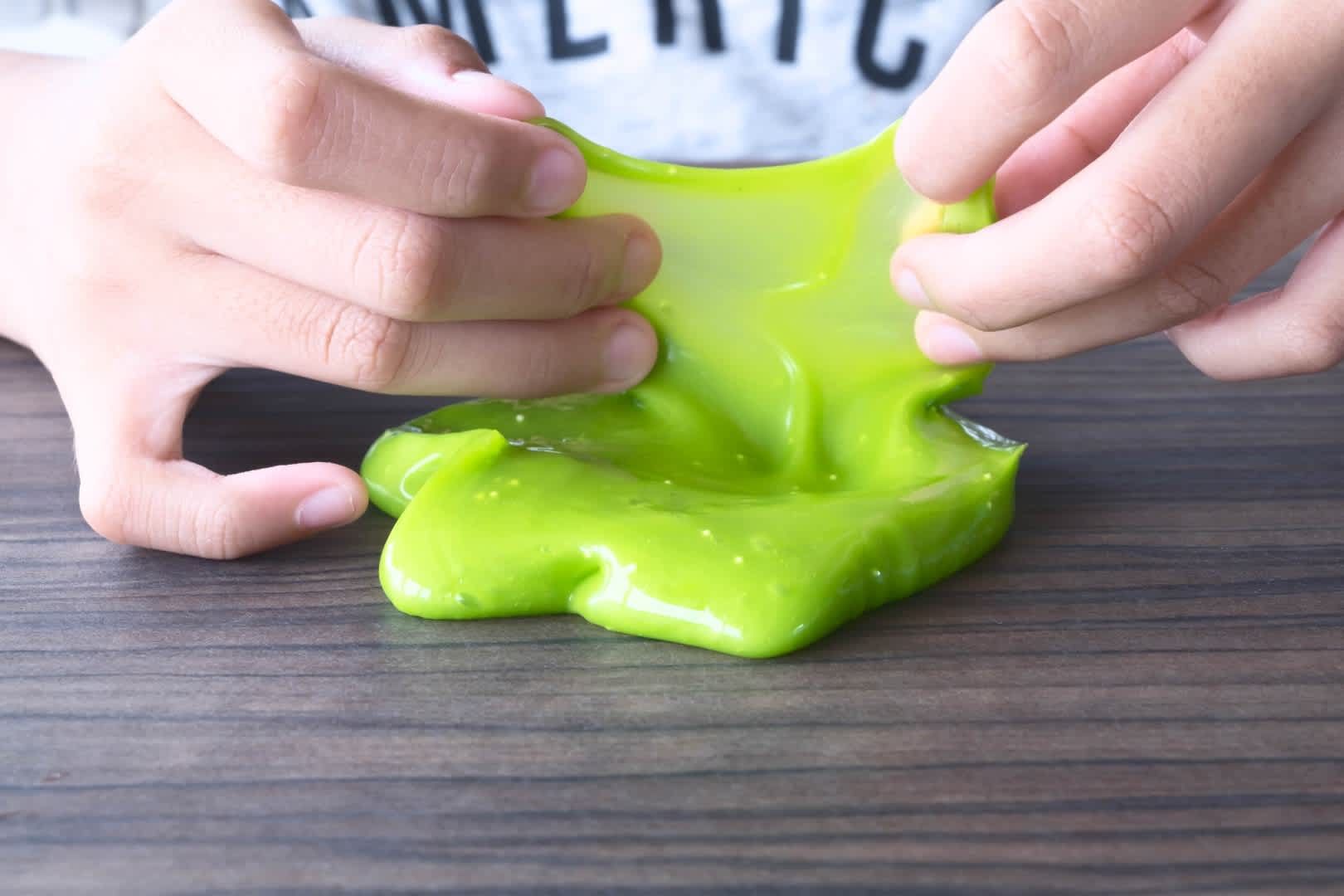
Science experiments at home are a fantastic way to entertain and educate your kids. Choose simple, safe experiments that use everyday items. For example, you can make a baking soda volcano by combining baking soda, vinegar, and food coloring in a small container. Watching the “lava” fizz and bubble is sure to fascinate kids while teaching them about chemical reactions.
Another fun experiment is creating “magic milk.” Pour milk into a shallow dish, add a few drops of food coloring, and touch the surface with a cotton swab dipped in dish soap. The colors will swirl and dance, demonstrating the interaction between soap and fat molecules. For older kids, explain the science behind the experiment to deepen their knowledge.
Set up a designated science area with a tablecloth to make cleanup easy and encourage your kids to document their observations in a notebook. Prompt them with questions like, “What do you think will happen next?” or “Why do you think that worked?” This nurtures critical thinking and problem-solving skills. Science experiments spark curiosity and transform learning into a hands-on adventure, making them an excellent choice for engaging, educational fun at home.
Following World War II, there was a growing recognition of the importance of early childhood education, leading to the expansion and standardization of educational programs across the United States. Government initiatives and educational research during this period significantly shaped the early childhood education landscape we know today.
The Introduction of Head Start
One of the most significant post-war developments was the creation of the Head Start program in 1965. This federally funded initiative aimed to provide comprehensive early education services to children from low-income families.
Head Start emphasized school readiness and offered support in areas such as health, nutrition, and parental involvement. It was one of the first large-scale programs to recognize the importance of early intervention in shaping a child’s future success.
Standardization and Professionalization of Early Childhood Education
During this time, early childhood education became more formalized, with an increasing focus on standardizing curricula and teacher qualifications. Educational organizations, such as the National Association for the Education of Young Children (NAEYC), set professional standards and advocated for high-quality early education.
This period also saw a rise in the number of preschools and daycare centers, reflecting the growing demand for early education as more women entered the workforce.
Influence of Child Development Research
Research in child development during this era also played a key role in shaping early childhood education practices. Studies on cognitive, social, and emotional development highlighted the importance of early experiences in shaping a child’s long-term outcomes. These findings led to the development of more structured, evidence-based approaches to early education that focused on the whole child..
Final Thoughts
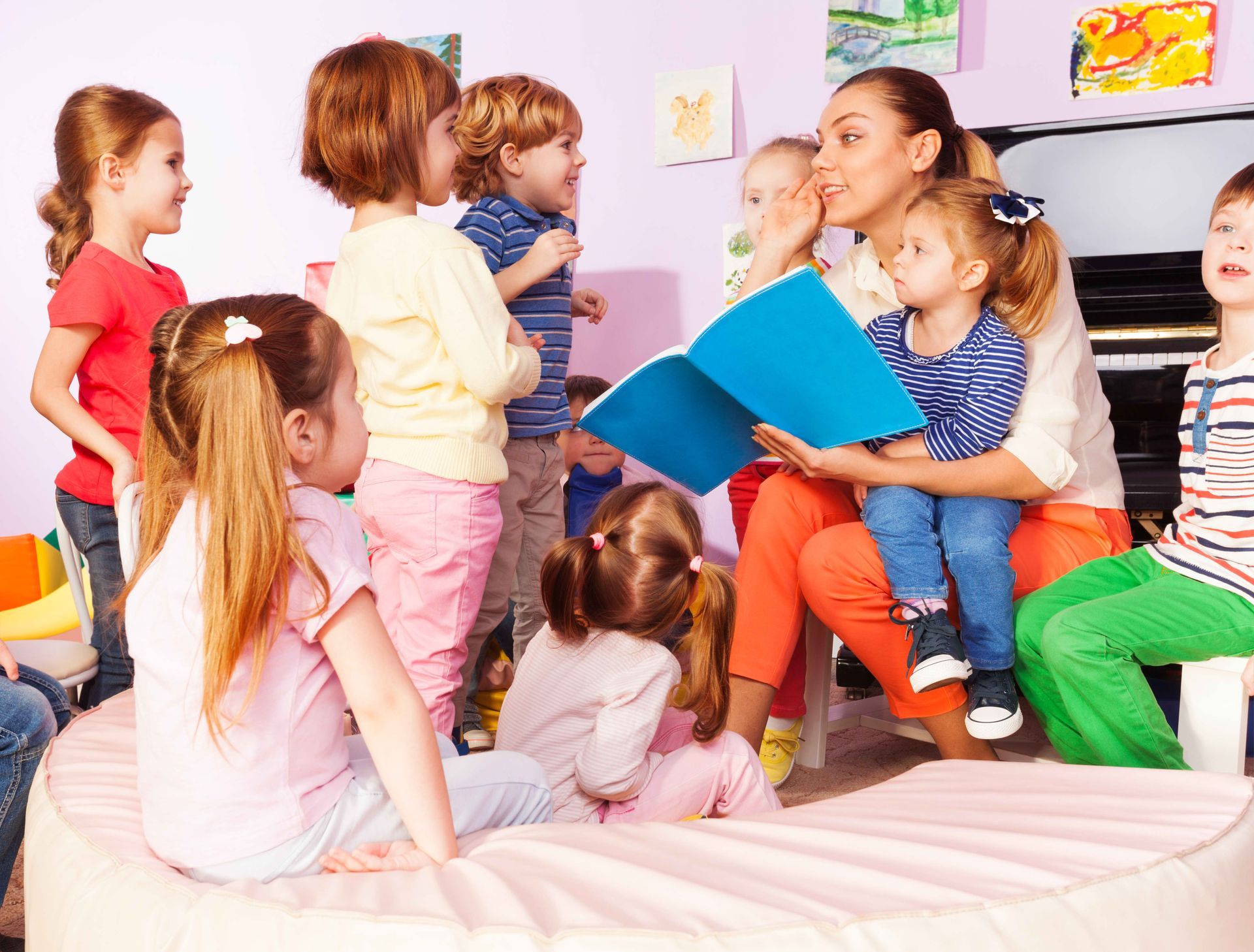
Have you ever observed how some children devour books, soaking in every illustration, while others seem to come alive when they hear an exciting story? It’s as if each child's mind speaks its unique language, guiding them through their world in a way that resonates with their inner rhythm. Without consciously realizing it, our young ones are already demonstrating their preferred methods of learning and interacting with their surroundings. Recognizing these diverse learning styles isn't just a benefit for them—it’s a necessity for fostering their development effectively.
Think about those moments when a child's face lights up upon seeing bright colors or engaging in a sing-along. Those expressions of joy are not random; they are windows into their preferred learning modes. Embracing these tendencies can transform the learning experience from a routine task to a delightful adventure.
Can you imagine how powerful it is when a child makes a connection because the material was presented in a way that speaks directly to how they process information best? It’s truly incredible to witness children thrive when their learning environment reflects their individual needs.
As educators and caregivers, being attuned to these differences allows us to tailor our approaches and create enriched, engaging environments where each child can flourish. Isn't it fascinating to consider how a simple shift in teaching strategy can make a world of difference? By delving into the specifics of different learning preferences—visual, auditory, kinesthetic, and beyond—we aren’t just teaching; we’re communicating, connecting, and nurturing a child’s potential in the most meaningful way.
This blog post will explore the different ways children learn, and provide strategies to engage every type of kid..
Exploring Different Learning Styles
Being aware of the diverse ways children absorb and process information is key for fostering an educational environment that supports all learners effectively. By tailoring educational experiences to fit these styles, educators can enhance engagement and improve learning outcomes.
Visual (Spatial) Learners
Visual learners are particularly adept at processing information presented in a visual form. This includes maps, graphs, charts, diagrams, and all forms of colorful displays. These learners tend to think in pictures and often have a good spatial sense, which enables them to visualize and mentally manipulate objects.
- Imagery and Diagrams: Use images, diagrams, and charts to help convey complex information.
- Color Coding: Employ different colors to highlight key themes and organize notes.
- Spatial Arrangements: Arrange classroom spaces to include visual cues and displays relevant to the lessons.
Aural (Auditory-Musical) Learners
Aural learners excel when information is presented through sound, particularly music and speech. These students have a strong affinity for auditory content and often find they can memorize information more easily when it has been explained out loud or through musical cues.
- Discussions and Lectures: Incorporate oral presentations and group discussions.
- Musical Cues: Use songs or jingles to help memorize formulas, concepts, or historical dates.
- Recording Lessons: Allow students to record lessons to listen to later for revision.
Verbal (Linguistic) Learners
Verbal learners find it easier to express themselves with words, whether spoken or written. They enjoy activities such as reading, writing, and participating in discussions. These learners often think in words rather than pictures and thrive in environments where verbal skills are a focus.
- Reading and Writing Tasks: Encourage extensive reading and writing exercises.
- Debates and Speeches: Engage students in debates and allow them to present topics to the class.
- Storytelling: Utilize storytelling techniques to explore complex topics in an engaging way.
Physical (Kinesthetic) Learners

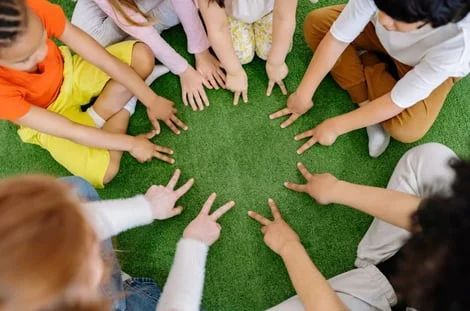
Kinesthetic learners benefit most from physical movement and hands-on activities. They learn best when they can physically engage with the material, as movement helps them process and retain information more effectively.
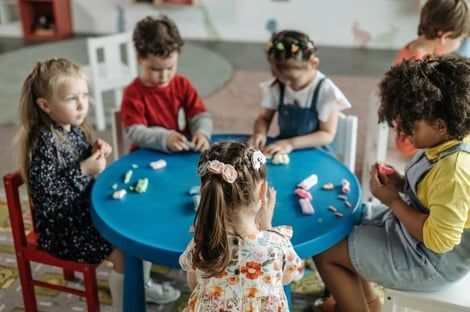
- Hands-On Activities: Include activities that involve crafting, building, or acting out scenes.
- Field Trips: Organize trips that align with the curriculum to provide real-world learning experiences.
- Lab Experiments: Implement more laboratory-based experiments where students can manipulate materials.
Logical (Mathematical) Learners
Logical learners prefer to use reasoning and logic to handle information. They excel in situations that require them to think critically and solve problems. These learners enjoy working with numbers, patterns, and abstract visual information.
- Problem-Solving: Challenge students with puzzles and games that require logical thinking.
- Experimentation: Allow students to conduct experiments that involve hypothesis testing and reasoning.
- Data Analysis: Teach students how to analyze data through graphs, charts, and diagrams.
Social (Interpersonal) Learners
Social learners show their strengths when they can interact with others. They learn effectively through collaboration and are often energized by group activities. These learners excel in team settings where communication and interpersonal skills are key.
- Group Projects: Promote group games and projects that encourage collaboration.
- Peer Teaching: Assign students to teach a segment of the lesson to their peers.
- Discussion Circles: Organize discussion circles where students can share ideas and feedback.
Solitary (Intrapersonal) Learners
Solitary learners prefer to work alone and use self-study techniques to understand and process information. These learners are very independent and often introspective, enjoying tasks that allow them to reflect on their learning and work through problems at their own pace.
- Independent Projects: Assign projects that require independent research and self-reflection.
- Personal Journals: Encourage keeping a journal to document learning progress and reflections.
- Self-Paced Learning:
Provide resources for students to learn at their own pace, including books, software, and online courses.
Adapting to Children's Individual Needs
Every child is unique, with their own set of strengths, challenges, and ways of processing information. To create an inclusive and effective learning environment, educators must be flexible and responsive to these individual needs. By employing general strategies that accommodate diverse learning preferences, teachers can make sure that all students have the opportunity to succeed and thrive. The following strategies offer a foundation for adapting teaching methods to meet the varied needs of children in the classroom.
1. Differentiated Instruction
Differentiated instruction is the practice of tailoring teaching methods to accommodate the different learning styles, interests, and abilities within a classroom. This approach ensures that all students, regardless of their starting point, can engage with the material and progress at their own pace.
- Teachers can vary the way they deliver content by incorporating a mix of instructional methods, such as visual aids, hands-on activities, and auditory lessons, to reach students with different learning preferences.
- Flexible grouping allows students to be grouped by ability, interest, or learning style, enabling more targeted instruction and peer support.
- Adjustable pacing is another critical component, where students are allowed to work at different speeds, providing extra time or advanced materials as needed.
2. Ongoing Assessment and Feedback
Regular assessment and feedback help identify children's learning progress and uncover areas where additional support may be necessary. This strategy also empowers students to take ownership of their learning by giving them a clear comprehension of their strengths and areas for improvement. Teachers can implement formative assessments, such as quizzes, observations, and informal check-ins, to monitor progress and adjust instruction as necessary. Individualized feedback also helps provide specific, constructive insights tailored to each student’s performance and learning style, guiding them on how to improve. Encouraging students to reflect on their learning process and outcomes further helps them develop self-awareness and self-regulation skills.
3. Creating a Flexible Learning Environment
A flexible learning environment adapts to the needs of students by offering various spaces and materials that cater to different learning activities. This approach allows students to choose the setting that best supports their learning style and comfort.
- Teachers can create varied learning spaces within the classroom, designating areas for activities like quiet reading, collaborative group work, and hands-on projects.
- Adaptable seating arrangements, such as standing desks, cushions, or floor seating, can accommodate students’ physical and sensory needs, making them feel more comfortable and engaged.
- Providing access to a wide range of resources, including art supplies, digital devices, and manipulatives, supports diverse learning preferences and encourages exploration.
4. Promoting a Growth Mindset

Encouraging a growth mindset helps children understand that their abilities can be developed through effort and perseverance, fostering resilience and a willingness to take on challenges. This mindset is key for both academic and personal growth. Teachers can promote a growth mindset by focusing on praising students’ hard work and persistence rather than just their achievements, helping them value the learning process.
Creating a safe environment where students feel comfortable taking risks and making mistakes is also vital, as these are seen as opportunities for learning and growth. Educators can further model lifelong learning by sharing their own experiences of overcoming challenges and developing new skills, demonstrating that learning is a continuous journey.
5. Building Strong Relationships
Strong teacher-student relationships are fundamental to meeting individual needs. By fostering a trusting and supportive environment, teachers can better engage students and encourage them to take an active role in their education. Open communication is key, as it allows teachers to regularly connect with students and their families, gaining insights into their backgrounds, interests, and challenges. This ongoing dialogue also helps keep everyone informed about progress and expectations.
Cultural sensitivity is another important aspect, where teachers show respect for students’ cultural identities and incorporate diverse perspectives and materials into the curriculum, making the learning experience more inclusive. Offering personalized support through one-on-one time with students helps address specific needs, provides encouragement, and builds a deeper comprehension of each student’s learning style.
Final Words
As we consider all these distinct learning styles, it's clear that tailoring our approach to each child's unique needs can foster a richer and more engaging learning environment.
At Wee Learn & Play Child Care Center, we believe that every child deserves an environment that not only supports but also celebrates their unique way of learning. For infants and toddlers, this means incorporating sensory toys that cater to kinesthetic learners or colorful visuals for those who are visually inclined. Our pre-school and Pre-K programs utilize a mix of storytelling and musical activities to keep auditory and musical-rhythmic learners actively engaged. School-age care further widens the approach by integrating more complex projects, such as nature exploration for naturalistic learners and group activities for those with a social inclination.
We are committed to providing more than just childcare services in Torrington, Connecticut; we're here to support your child’s journey through every learning adventure.
Interested in learning more about how we tailor our activities to match these diverse learning styles? Contact Us Now for a deeper look into our philosophy and methods.
Feel free to call us at
(860) 689-9867 or send an email to
rhonda@weelearnandplay.com if you have any questions or wish to discuss your child’s needs further.
Recent Posts